

























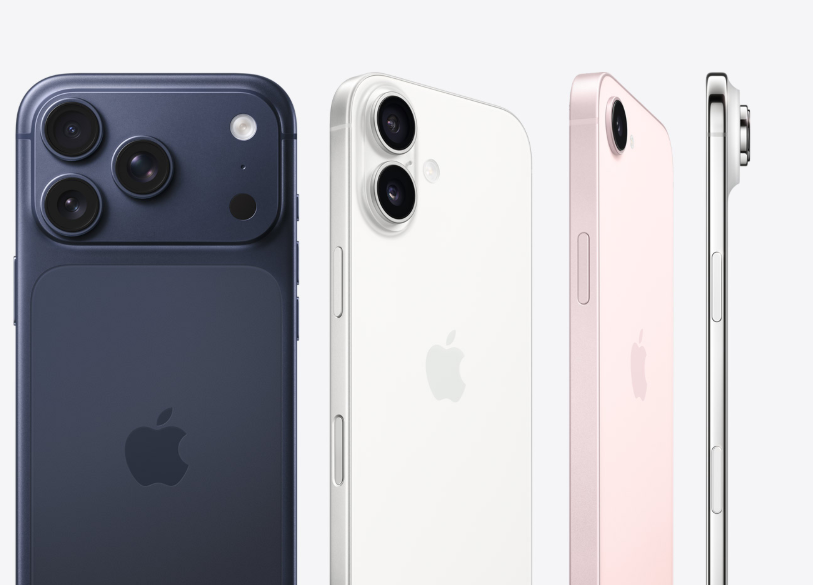
Apple Inc. (AAPL) has been one of the greatest growth stories in the entire history of investing. There have been many bumps and rotational changes over time, but investors have learned the hard way that selling Apple just to lock in big gains ended up presenting a significant opportunity cost that could have been much more profitable down the road. Wall Street generally has maintained a very favorable view on Apple’s stock ahead. So, what happens when an analyst issues a very rare “Sell” rating on the mighty Apple?
KeyBanc Capital Markets’ Brandon Nispel downgraded Apple to Underweight from Sector Weight on July 14. Nispel’s $250 price target implies that Apple could see 21% downside from its prior close if the analyst proves to be right. This is KeyBanc’s equivalent of a “Sell” rating seen at other firms. And unlike many other downgrades, this is not just a “valuation downgrade” after a 16% YTD gain and 51% year-over-year gain in its share price.
With a $4.6 trillion market value, KeyBanc’s $250 price target implies that shareholders could see nearly $1 trillion of market cap erosion if its fears come to fruition.
Before getting into the downgrade, it is important to consider that most stocks (again, particularly Apple) get “Sell” ratings from Wall Street. FactSet is generally cited as showing that Sell ratings occur only about 5% of the time in all analyst ratings. And while Apple has been a slow entrant into adapting strong AI into its phones, KeyBanc’s concerns are more specific into actual demand.
ALSO READ: 8 STOCKS TO SELL NOW BEFORE EARNINGS
The key crux of the downgrade to underweight is that KeyBanc expects iPhone builds to slow now that it has telegraphed price increases. And this downgrade is not really about concerns now that Tim Cook is handing the CEO role over to John Turnus late in the year. The firm sees several specific issues that need to be considered for the coming year:
- A weak U.S. iPhone upgrade cycle (sees 8% consensus growth in 2027 as too aggressive;
- U.S. carriers pulling back on their device subsidies;
- Apple may have to rely on international sales for growth (difficult with price hikes);
- expectations for Mac, iPad, and Wearables likely need to move lower for 2027;
- slowing unit sales growth;
- slower growth in its user base;
- and pressure in its services sales.
In the end, KeyBanc now sees Apple’s consensus revenue growth estimates (~15% in 2026 and ~9% in 2027) as too aggressive. Nispel also noted that Apple’s stock is now just too expensive for these issues to occur.
Apple’s prior close was $317.31, and its 52-week range is $201.50 to $323.45. KeyBanc’s $250 price target is also handily below the consensus analyst price target of ~$315.
Be advised that the rating and price target data provided in this reporting is from KeyBanc Capital Markets. Oggonomics does not issue formal ratings and price targets on individual stocks.